
Why World Meerkat Day?
July 3rd — Celebrating the Desert's Cooperators
World Meerkat Day is celebrated annually on July 3rd. This day is dedicated to raising awareness about these incredible, highly social animals and the desert ecosystems they call home.
Meerkats teach us valuable lessons about teamwork, altruism, and collective responsibility. By understanding how they survive the harsh desert conditions through collaboration, we can appreciate the complex web of life in the Kalahari.
When?
July 3rd every year — a special day dedicated to the Suricata genus
Why Celebrate?
To honor their unmatched cooperation, intricate communication, and community survival instincts
Our Mission
Support habitat protection and address challenges like severe Kalahari droughts
Meet the Meerkat
The Collaborative Carnivore
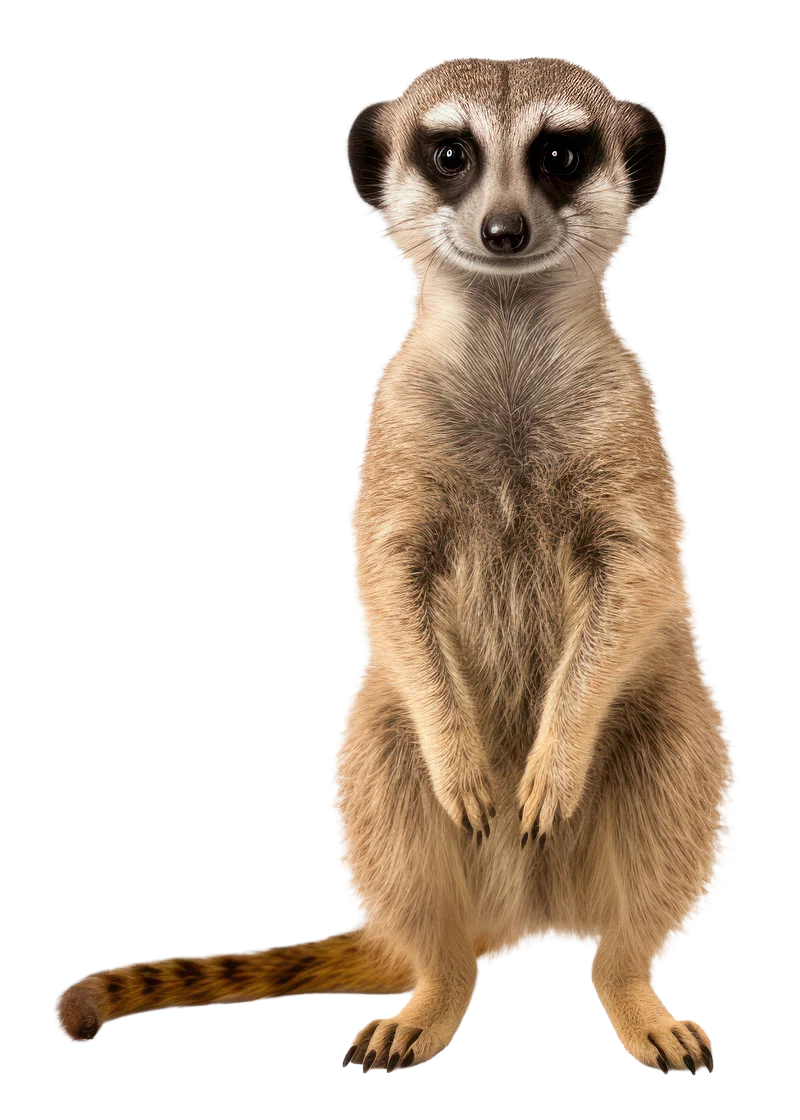
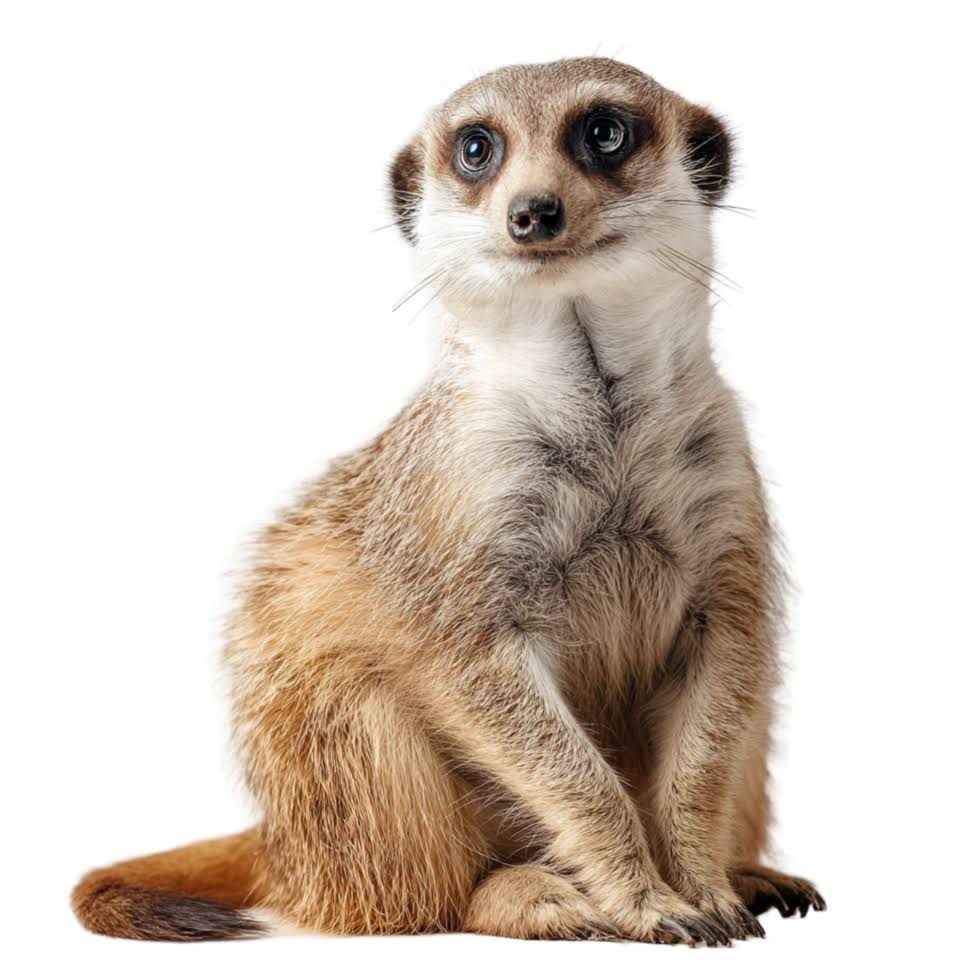
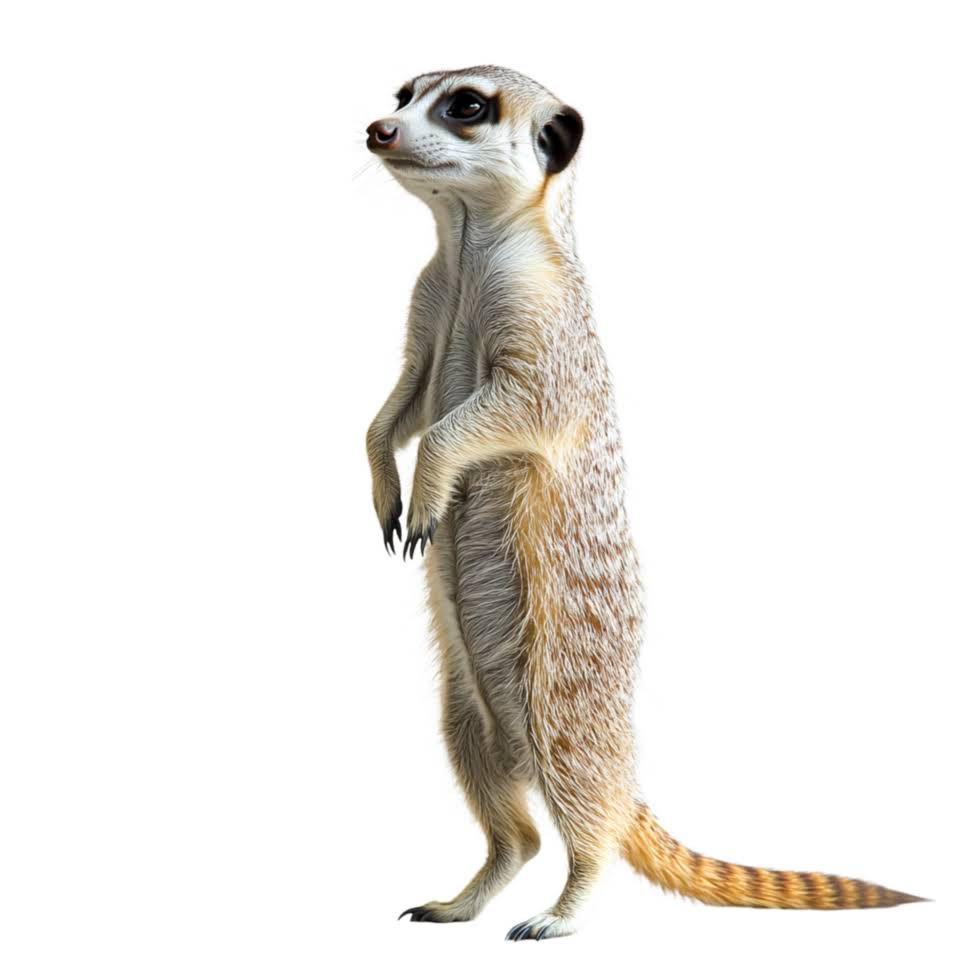
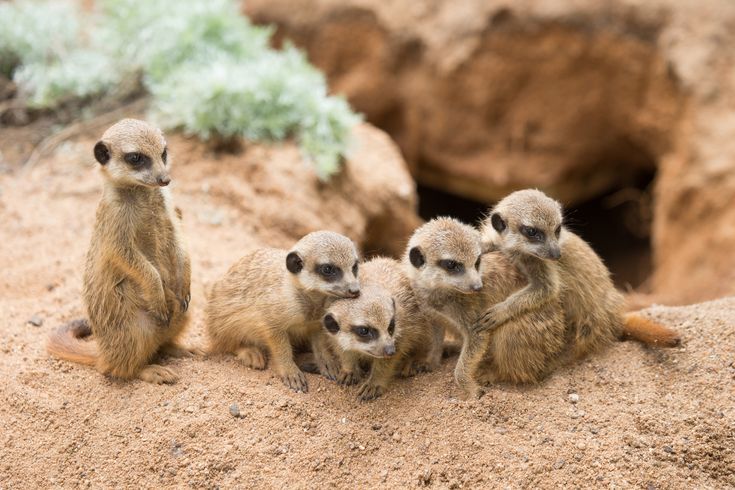
Meerkats (Suricata suricatta) are small foraging carnivores belonging to the mongoose family (Herpestidae). They are highly recognizable by their upright sentinel posture and are native to the Kalahari Desert in Botswana, the Namib Desert in Namibia, southwestern Angola, and South Africa.
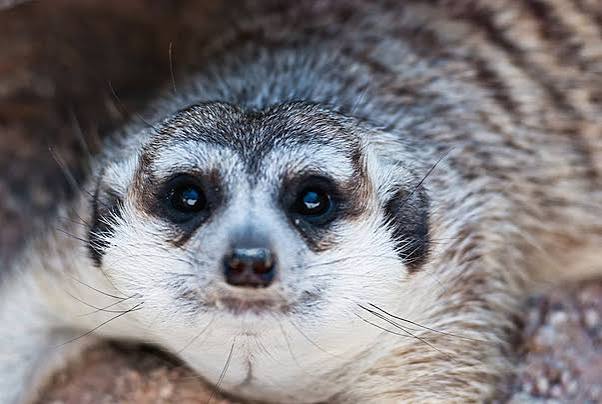
They possess slender bodies, long legs, and a distinctive tail that helps them balance when standing upright. Meerkats have a broad head, large eyes, a pointed snout, and small crescent-shaped ears. The color of their coat varies depending on their geographical location, ranging from light fawn to silvery-brown, which helps them blend seamlessly into their arid, dusty environment.
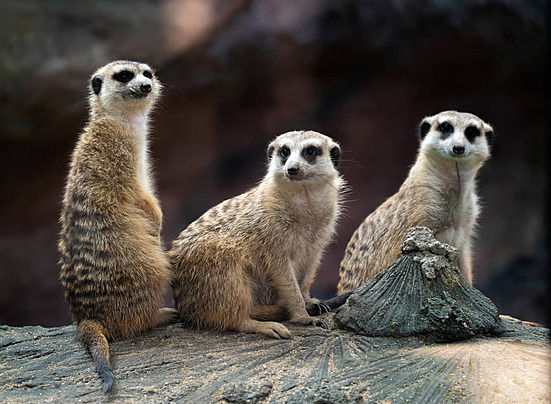
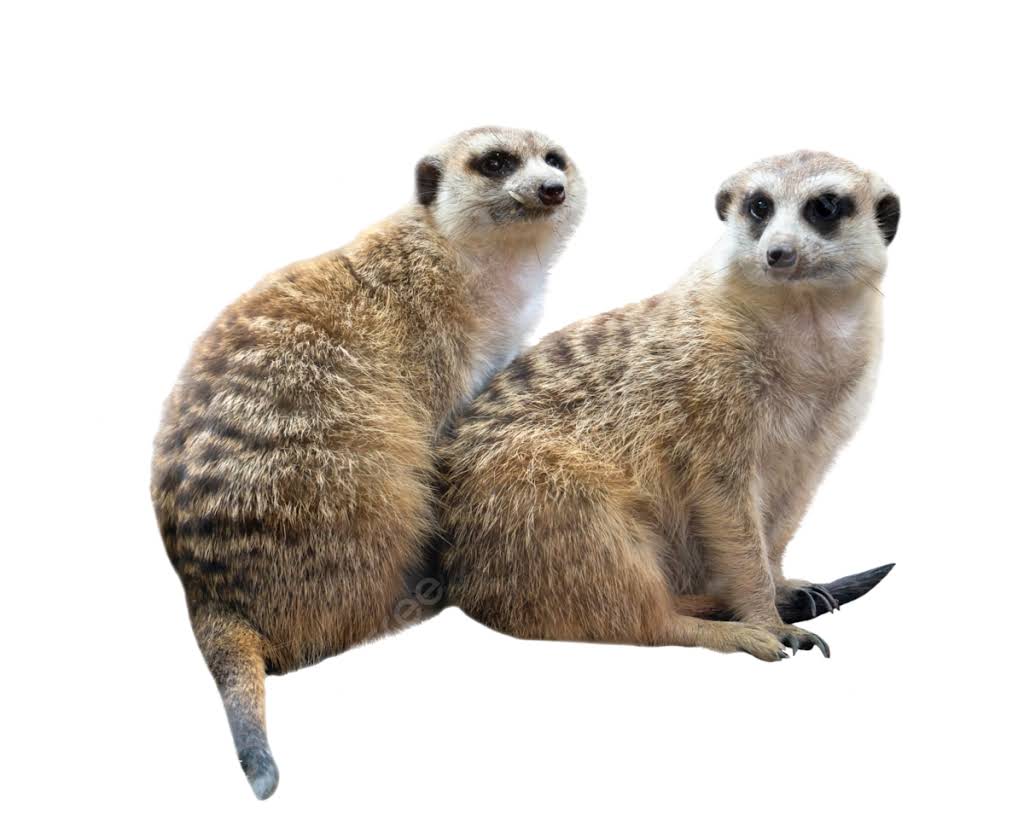
A group of meerkats is called a "mob", "gang", or "clan". While a typical clan contains around 20 meerkats, some super-families have been known to grow up to 50 members. These clans are tightly knit and highly territorial, constantly defending their home range from rival meerkat mobs.
Cooperative Social Roles
Cooperative Society: Interactive Role Guide
Survival in the Kalahari is impossible alone. Meerkats thrive through an advanced division of labor where every individual has a vital role. Click the tabs below to explore the jobs inside a meerkat mob.
Biological Marvels
Biological Marvels: Desert Survival
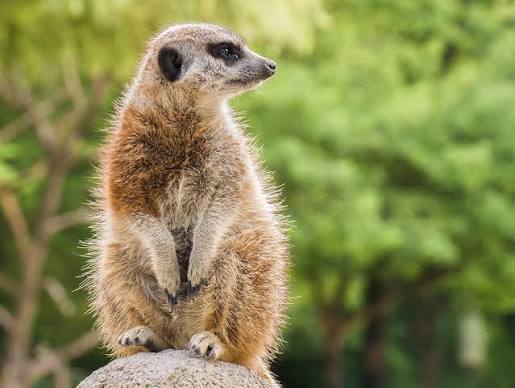
Through millions of years in the unforgiving Kalahari, meerkats have evolved a toolkit of incredible biological solutions. Click any card to explore their survival adaptations.
Solar Panel Belly
Thermal RegulationSolar Panel Belly
- Sparse stomach hair reveals dark skin
- Basks facing the morning sun to warm up
- Acts as a natural solar collector
- Crucial for survival after cold desert nights
Built-in Sunglasses
Anti-Glare ProtectionBuilt-in Sunglasses
- Dark patches of fur surround the eyes
- Absorbs sunlight and reduces blinding glare
- Allows them to look directly into the sky
- Helps detect soaring eagles and hawks
Venom Immunity
Chemical DefenseVenom Immunity
- Natural resistance to scorpion & snake venom
- Evolved neurotoxin receptor blockades
- Enables hunting of deadly Kalahari scorpions
- Teaches pups how to handle live stingers
Excavation Master
Rapid Digging SystemExcavation Master
- Long, strong, non-retractable foreclaws
- Special membranes cover eyes while digging
- Ears fold completely shut to keep sand out
- Can move their body weight in sand in seconds
Diet & Foraging
Diet & Foraging: The Opportunistic Hunter
Meerkats are primarily insectivores, but they are highly opportunistic feeders. Because they have very little body fat and a high metabolic rate, they must spend a large part of every day foraging for food, turning over stones, and digging into crevices.
Insects & Grubs
Beetle larvae, caterpillars, pupae, and termites make up the majority of their diet. Highly nutritious and rich in fat and proteins.
Venomous Arachnids
Spiders, centipedes, and scorpions. Adults hunt them with immunity, disarming scorpions by removing the stinger with lightning-fast speed.
Small Reptiles
Lizards, geckos, and small desert snakes. These provide crucial protein boosts and require high agility and cooperation to capture.
Succulent Roots
When insects are scarce during drought seasons, they dig up succulent roots and tubers, which contain high quantities of water.
Meerkats do not need to drink standing water! In the Kalahari Desert, open water sources are virtually nonexistent for months. Meerkats solve this by absorbing 100% of their hydration from the moisture content of their prey, grubs, and the water-rich succulent tubers they dig up.
Back Striping Patterns
Unique Back Stripes: Subspecies Camouflage Guide
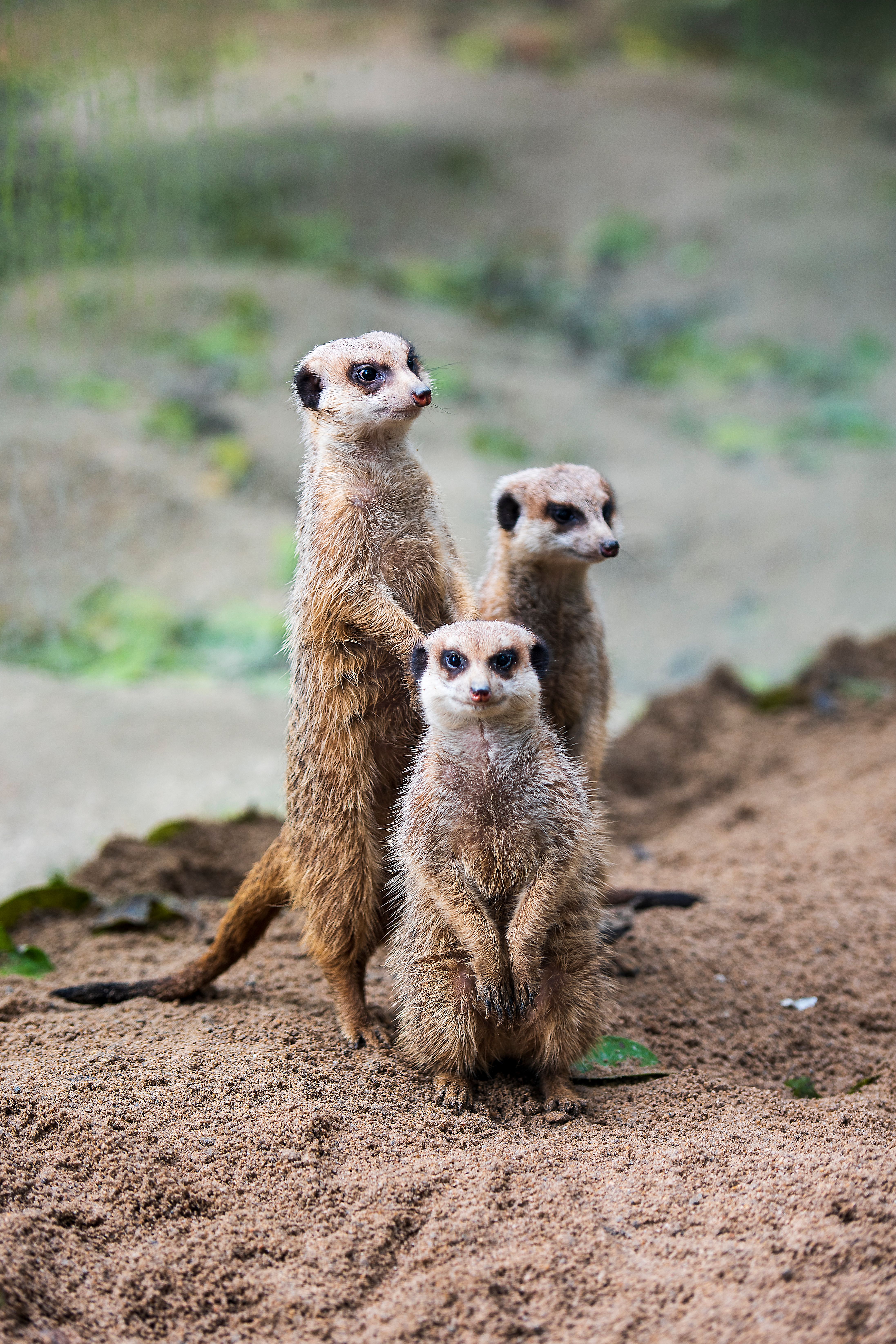
Just like human fingerprints, no two meerkats have the exact same bar markings. These unique back stripes help individuals identify each other and serve as natural camouflage. Click a subspecies below to explore their specific markings and coat variations.
Science of Altruism
The Science of Altruism: Why Meerkats Cooperate
The Evolution of Selflessness: Altruism is rare in the animal kingdom, but the meerkat is a prime exception. Their cooperative lifestyle is driven by five evolutionary forces.
Kin Selection
Helpers in a mob share a high percentage of genes with the alpha pair's offspring. By sacrificing their food and safety to protect the pups, they ensure their own genetic lineage survives.
Vigilance Trade-off
Meerkats must dig deep to find grubs, leaving them blind to danger. Having one dedicated sentinel look out allows foragers to work efficiently without constantly stopping to scan.
Vocal Language Coordination
Sentinels communicate constantly via "peeps" to signal safety, and issue precise alarm calls specifying the danger type (air vs. land) and urgency level, saving precious seconds.
Sentinel Rotations
Guard duty is highly demanding. Mobs rotate sentinel shifts throughout the day, ensuring everyone gets a chance to forage and maintain their strength.
Territorial Defense
Meerkats defend elaborate underground burrows and food territories. Larger mobs have a higher success rate in repelling rival clans during territory wars.
A Day in the Life
A Day in the Life: Interactive Daily Routine
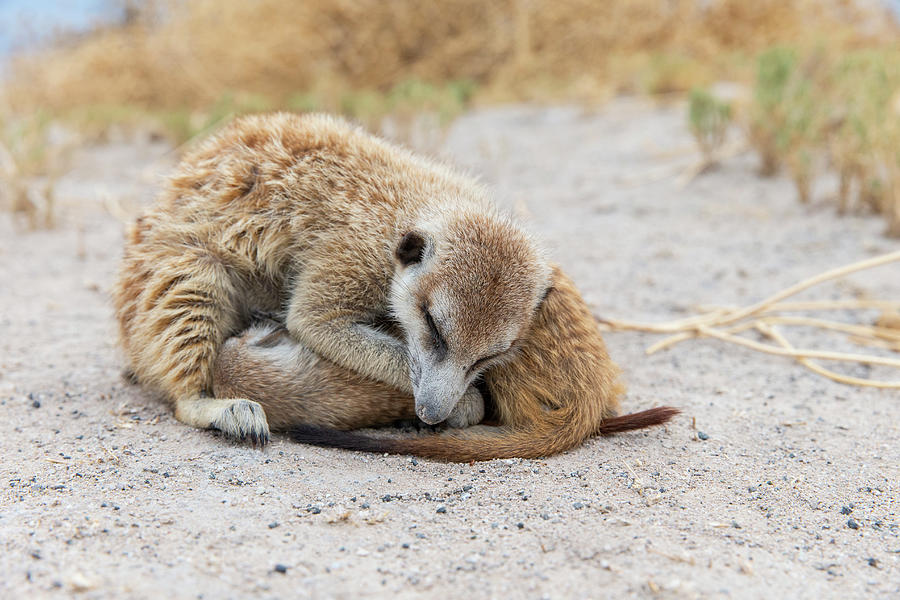
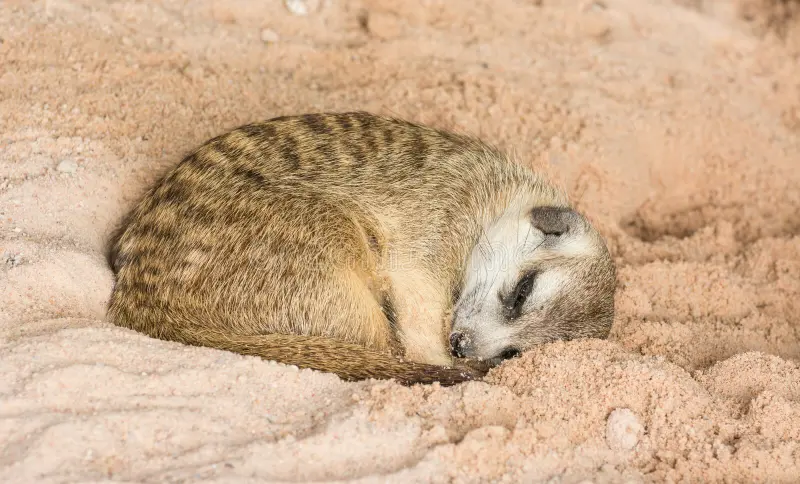
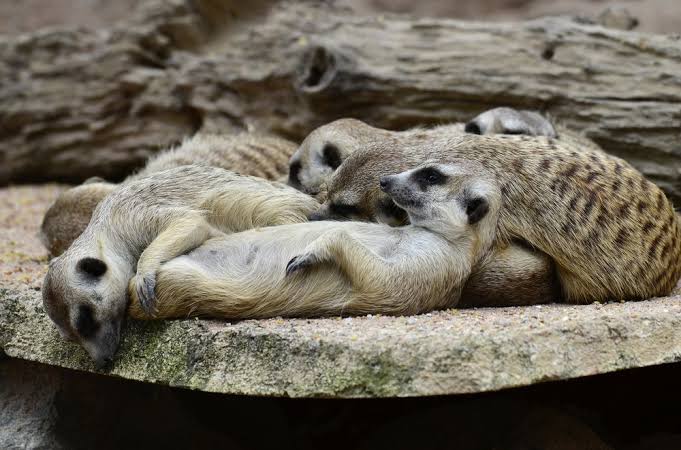
Meerkats follow a highly structured daily schedule driven by temperature, sun position, and collective safety. Click the timeline stages below to witness the hourly routine of a Kalahari mob.
Taxonomy & Evolution
Taxonomy & Evolution
Meerkats are not rodents, dogs, or prairie dogs. They belong to the order Carnivora and suborder Feliformia, family Herpestidae (the mongoose family), and are the only surviving members of the genus Suricata. Genetic studies recognize three distinct subspecies adapted to different regional zones of Southern Africa.
Living Subspecies
Living Subspecies: Subspecific Diversity
Evolution has shaped regional populations of meerkats to match their specific environments, resulting in three recognized subspecies spanning Southern Africa.
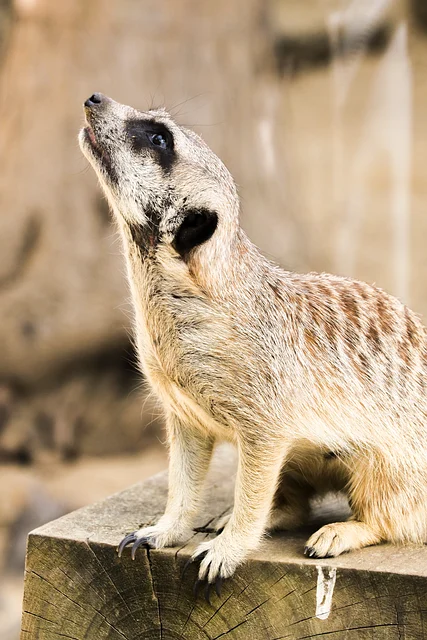
15-Million-Year Ancestry
The 15-Million-Year Mongoose Ancestry
Meerkats did not evolve in isolation. Their lineage is a testament to adapting from forested conditions into open, dry savannas where survival requires group cooperation.
Feliform Ancestry (Early Carnivora)
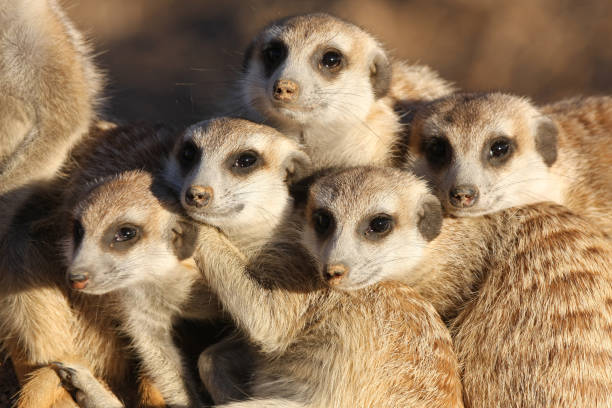
Mongooses belong to the Feliformia (cat-like) suborder. Roughly 15 million years ago, early mongoose ancestors diverged from other feliform branches in Eurasia and Africa, adapting to forest floor foraging.
The mongoose family (Herpestidae) expanded significantly. These early ancestors evolved long bodies, short legs, and acute senses of smell, allowing them to excel at sniffing out underground prey.
Herpestidae Family Radiation
Suricata Genus Divergence
As African forests thinned due to drying climates, the ancestor of the genus Suricata split from other mongooses. Surviving in open, predator-heavy savanna required developing the earliest forms of group vigilance.
Fossil records in South Africa show Suricata major, a larger prehistoric ancestor of modern meerkats. They possessed similar digging claws but had not yet fully refined their complex social structures.
Suricata major (Fossil Ancestor)
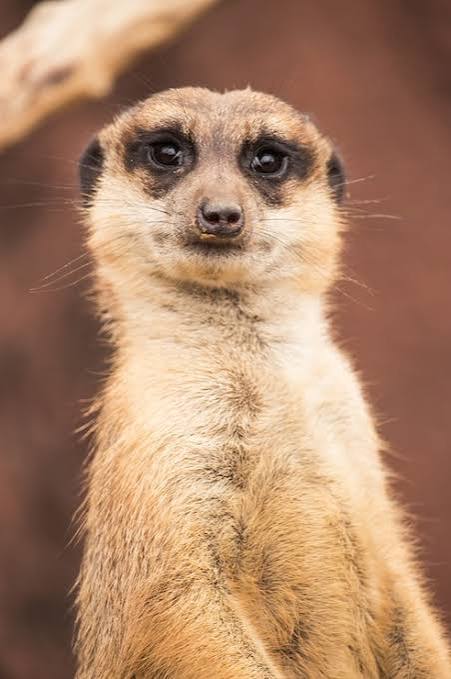
Suricata suricatta (Modern Meerkat)
Modern meerkats emerge in East and Southern Africa. They fully adapt to group cooperative breeding, sentinel warning calls, and structural division of labor to colonize the dry Kalahari and Namib deserts.
Mongoose Evolution Timeline
Evolutionary Chapters
The 15-million-year evolutionary path of meerkats broken down into key transitions.
Feliformia to Herpestidae
Herpestidae to Suricata
Suricata to Suricata major
Suricata major to Modern
Total Evolution
Critical Evolutionary Milestones
Herpestidae Split
15 MyaDiverged from other feliforms, specializing in ground-dwelling insectivorous habits.
Suricata Split
5 MyaLeft dense cover for open plains, driving the need for social warning systems.
Suricata major
2 MyaPrehistoric ancestor of meerkats, showing identical digging anatomy but larger body mass.
Suricata suricatta
1 MyaFirst appearance of fully modern meerkats with specialized group-rearing and alarm vocalizations.
Chronological Milestones
Feliformia Split
Diverged from early cat-like carnivores to form herpestid branches.
Herpestidae Family
Radiation of early mongooses across Eurasian and African savanna grasslands.
Suricata Divergence
Split from solitary mongooses, transitioning to open desert environments.
Suricata major
Prehistoric fossil species found in South Africa; larger size than modern meerkats.
Modern Meerkat appears
First fossils of modern Suricata suricatta emerge in dry South African zones.
3 Living Subspecies
Southern, Desert, and Angolan meerkats populate Kalahari, Namib, and Angolan plains.